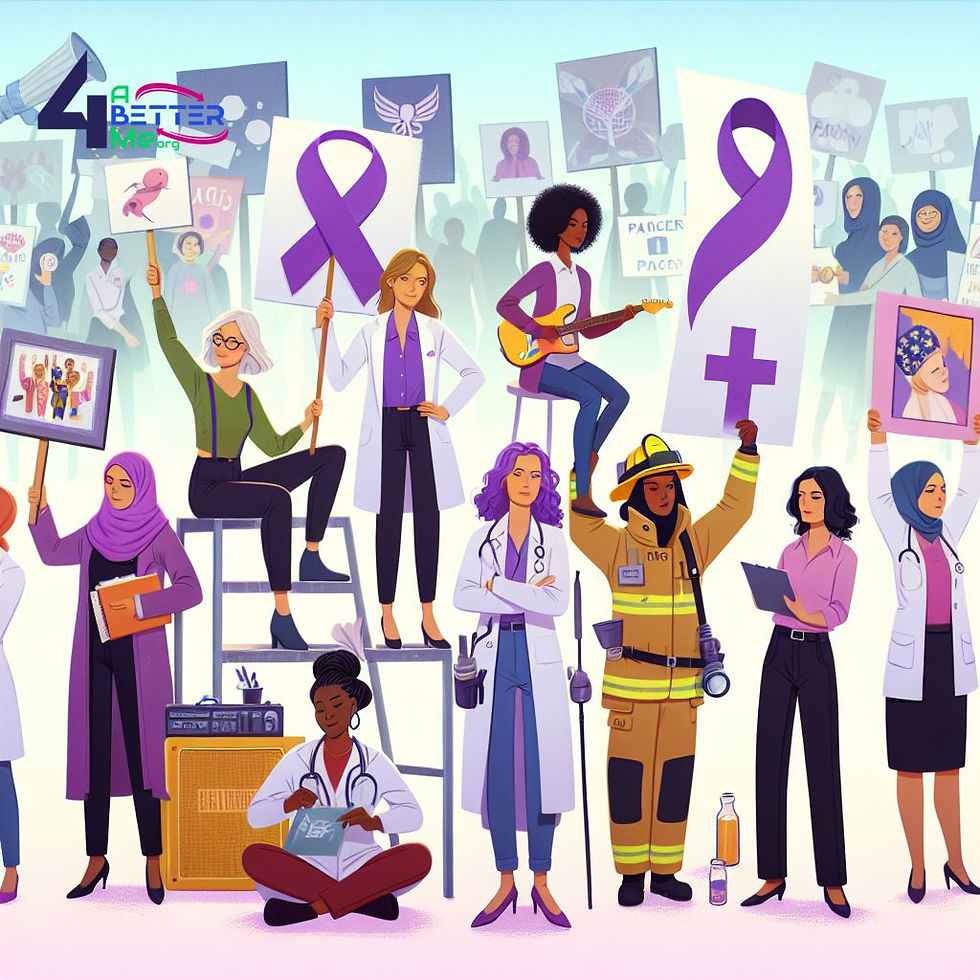
How Education Helps Break Gender Stereotypes


Gender stereotypes are deeply rooted beliefs about how individuals should behave, think, or live based solely on their gender. These stereotypes can limit opportunities, reinforce inequality, and influence how people are treated in schools, workplaces, and society. Education plays a crucial role in challenging these harmful assumptions and promoting a more equal and inclusive future.
One of the most important functions of education is encouraging critical thinking. Through learning and open discussion, individuals can question outdated social norms and better understand the impact of stereotypes on everyday life. Educational environments that promote equality help students recognize that abilities, interests, and ambitions should never be limited by gender expectations.
From an early age, children are influenced by the messages they receive from society, media, and their surroundings. Schools and educational programs can help counter these influences by promoting respect, diversity, and equal opportunities for everyone. Inclusive teaching materials and positive representation also help young people see that leadership, creativity, science, sports, and other fields are open to all individuals regardless of gender.
Education also supports confidence and self-expression. When girls and boys are encouraged equally to participate, lead, and share their ideas, they are more likely to develop self-esteem and pursue their goals freely. This contributes to stronger participation in education, employment, and public life later on.
Organizations such as Asociatia Feminaforță actively support awareness and educational initiatives that promote gender equality and youth empowerment. Through workshops, campaigns, and Erasmus+ projects, organizations can create safe spaces where young people learn about inclusion, equality, and social responsibility.
Another important aspect of education is its ability to reduce discrimination and violence. Teaching respect, empathy, and healthy communication helps create more supportive communities and challenges behaviors rooted in inequality or prejudice. Awareness programs can also help individuals recognize and respond to gender-based discrimination more effectively.
Breaking gender stereotypes is not only beneficial for women and girls; it benefits society as a whole. More inclusive attitudes create healthier communities, stronger economies, and greater social cooperation. When individuals are free to pursue their interests and talents without limitations, everyone gains from their contributions.
Ultimately, education is one of the most powerful tools for social change. By promoting equality, critical thinking, and mutual respect, it helps build a future where people are valued for their abilities and character rather than restricted by stereotypes.