Feminism in the 21st Century: What It Really Means
- asociatia feminaforță

- May 13
- 4 min read

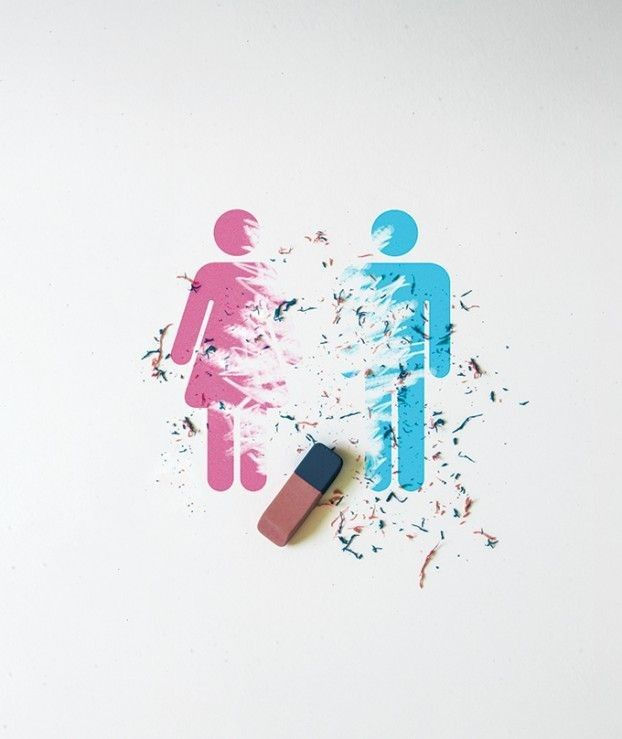
In today’s world, feminism is often discussed in social media, politics, education, and everyday conversations. Yet, despite its visibility, many misconceptions still surround the meaning of feminism. Some people see it as a movement only for women, while others misunderstand it as a call for superiority rather than equality. In reality, feminism in the 21st century is about creating a fair and inclusive society where everyone has equal rights, opportunities, and respect regardless of gender.
At its core, feminism advocates for gender equality. It challenges systems and attitudes that limit people based on stereotypes or discrimination. Modern feminism recognizes that inequality can appear in many forms, including unequal pay, limited access to leadership positions, gender-based violence, social expectations, and barriers to education or healthcare. By addressing these issues, feminism seeks to improve the lives of individuals and strengthen communities as a whole.
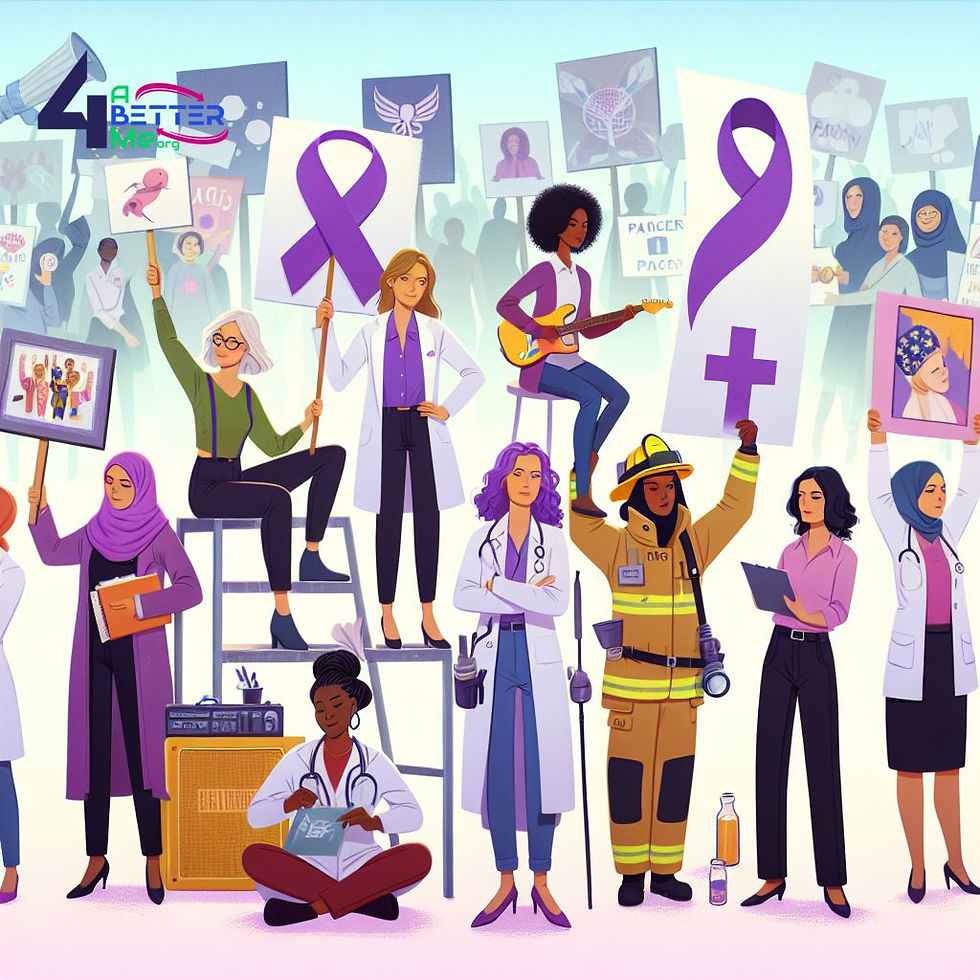
One of the defining aspects of 21st-century feminism is inclusivity. Today’s feminist movements emphasize the importance of listening to diverse voices and experiences. Women from different cultural, economic, ethnic, and social backgrounds may face unique challenges, and understanding these differences is essential for creating meaningful change. Modern feminism encourages solidarity and cooperation across communities, promoting respect and equal opportunities for all people.
Young people have become powerful voices in advancing gender equality. Through activism, education, social media campaigns, and international initiatives such as Erasmus+ projects, youth are raising awareness about important issues and encouraging open discussions about equality and human rights. Young activists are helping break long-standing stereotypes and inspiring future generations to build more inclusive societies.
Education also plays a key role in feminism today. Schools, workshops, and community programs can help challenge harmful stereotypes and encourage critical thinking about equality and respect. By educating communities about women’s rights and social inclusion, organizations and individuals can contribute to long-term positive change.
Importantly, feminism is not about division or conflict between genders. It is about ensuring that everyone has the freedom to pursue their goals, express themselves, and participate fully in society without facing discrimination. Gender equality benefits entire communities by promoting fairness, economic growth, diversity, and social well-being.
Although significant progress has been made over the years, challenges still remain. Women and girls in many parts of the world continue to face violence, discrimination, unequal opportunities, and underrepresentation in leadership and decision-making. Addressing these issues requires continued awareness, collaboration, and action from individuals, organizations, and communities alike.
Feminism in the 21st century is ultimately about dignity, equality, and empowerment. It is a movement that encourages people to question injustice, support one another, and work together toward a future where everyone can thrive equally. By promoting understanding, inclusion, and respect, we can continue building a more just and equal world for future generations.In today’s world, feminism is often discussed in social media, politics, education, and everyday conversations. Yet, despite its visibility, many misconceptions still surround the meaning of feminism. Some people see it as a movement only for women, while others misunderstand it as a call for superiority rather than equality. In reality, feminism in the 21st century is about creating a fair and inclusive society where everyone has equal rights, opportunities, and respect regardless of gender.
At its core, feminism advocates for gender equality. It challenges systems and attitudes that limit people based on stereotypes or discrimination. Modern feminism recognizes that inequality can appear in many forms, including unequal pay, limited access to leadership positions, gender-based violence, social expectations, and barriers to education or healthcare. By addressing these issues, feminism seeks to improve the lives of individuals and strengthen communities as a whole.
One of the defining aspects of 21st-century feminism is inclusivity. Today’s feminist movements emphasize the importance of listening to diverse voices and experiences. Women from different cultural, economic, ethnic, and social backgrounds may face unique challenges, and understanding these differences is essential for creating meaningful change. Modern feminism encourages solidarity and cooperation across communities, promoting respect and equal opportunities for all people.
Young people have become powerful voices in advancing gender equality. Through activism, education, social media campaigns, and international initiatives such as Erasmus+ projects, youth are raising awareness about important issues and encouraging open discussions about equality and human rights. Young activists are helping break long-standing stereotypes and inspiring future generations to build more inclusive societies.
Education also plays a key role in feminism today. Schools, workshops, and community programs can help challenge harmful stereotypes and encourage critical thinking about equality and respect. By educating communities about women’s rights and social inclusion, organizations and individuals can contribute to long-term positive change.
Importantly, feminism is not about division or conflict between genders. It is about ensuring that everyone has the freedom to pursue their goals, express themselves, and participate fully in society without facing discrimination. Gender equality benefits entire communities by promoting fairness, economic growth, diversity, and social well-being.
Although significant progress has been made over the years, challenges still remain. Women and girls in many parts of the world continue to face violence, discrimination, unequal opportunities, and underrepresentation in leadership and decision-making. Addressing these issues requires continued awareness, collaboration, and action from individuals, organizations, and communities alike.
Feminism in the 21st century is ultimately about dignity, equality, and empowerment. It is a movement that encourages people to question injustice, support one another, and work together toward a future where everyone can thrive equally. By promoting understanding, inclusion, and respect, we can continue building a more just and equal world for future generations.