From Awareness to Action: How Young People Are Shaping the Future of Gender Equality
- asociatia feminaforță

- May 5
- 2 min read
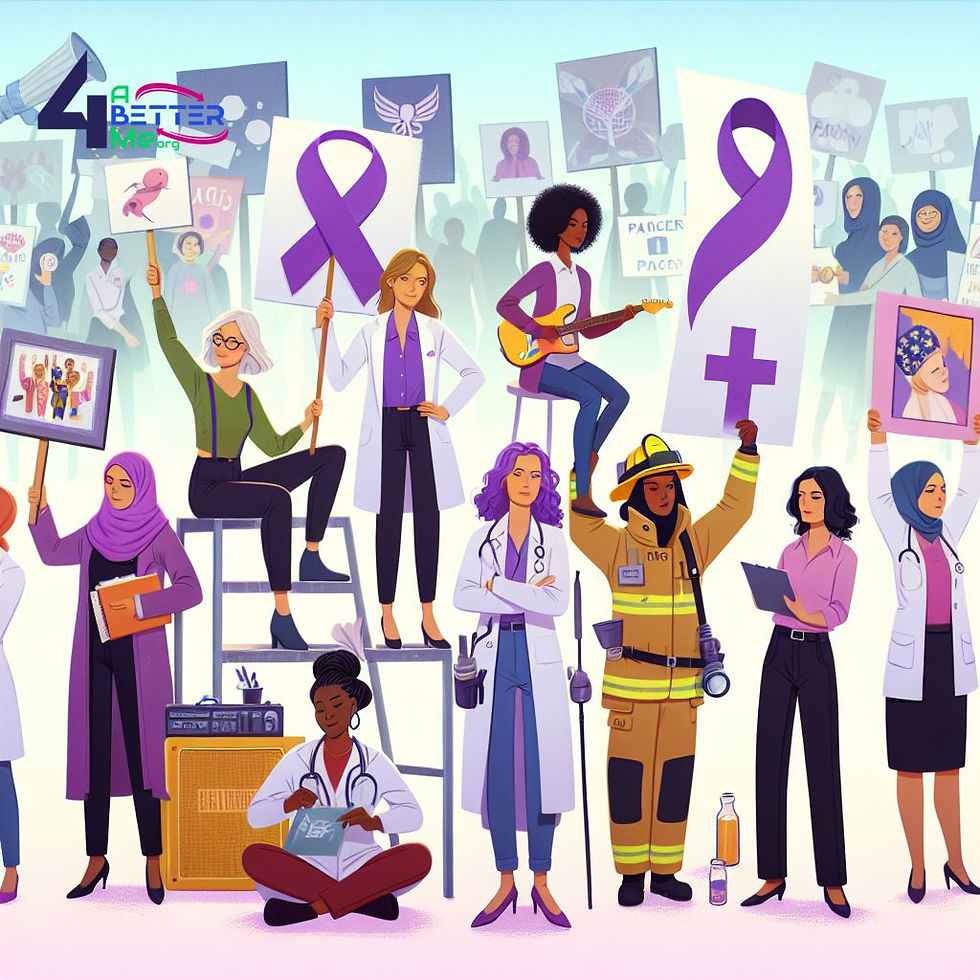
Gender equality remains one of the most pressing challenges of our time, despite decades of advocacy and policy development. While awareness around women’s rights has grown significantly, the transition from understanding these issues to actively addressing them requires commitment, education, and collective effort. In this process, young people are emerging as powerful agents of change, transforming awareness into meaningful action within their communities and beyond.
Today’s youth are more informed and globally connected than ever before. Through access to education, digital platforms, and international programs, they are exposed to diverse perspectives on gender equality. This exposure helps them recognize inequalities not as isolated problems, but as systemic issues that require long-term solutions. As a result, young individuals are increasingly taking initiative—organizing campaigns, participating in workshops, and engaging in open discussions that challenge traditional norms and stereotypes.
Education plays a central role in this transformation. Workshops, seminars, and community-based learning experiences provide young people with the tools to critically analyze gender roles and discrimination. These educational opportunities not only build knowledge but also develop essential skills such as leadership, communication, and advocacy. Equipped with these skills, youth are better prepared to stand up against injustice and promote inclusive values in their daily lives.
International initiatives, such as those supported by Erasmus+, further strengthen the impact of youth engagement. By participating in cross-cultural exchanges and collaborative projects, young people gain firsthand experience in addressing gender-related challenges in different social contexts. These experiences broaden their understanding and inspire innovative approaches to promoting equality, while also fostering a sense of shared responsibility across borders.
Beyond education and international exposure, young people are actively driving change at the grassroots level. They are creating safe spaces for dialogue, launching awareness campaigns, and using social media as a tool for advocacy. Their ability to connect with peers and mobilize communities allows them to amplify important messages and influence public attitudes toward gender equality in ways that are both relatable and impactful.
However, the journey from awareness to action is not without challenges. Deeply rooted stereotypes, cultural barriers, and resistance to change can limit the effectiveness of even the most passionate initiatives. Young activists often face skepticism or lack of support, which can hinder their efforts. Addressing these challenges requires not only resilience but also stronger institutional support and inclusive policies that empower youth voices.
Ultimately, the future of gender equality depends on the continued engagement and leadership of young people. Their energy, creativity, and commitment to justice position them as key drivers of social transformation. By supporting and investing in youth-led initiatives, societies can move closer to a world where gender equality is not just an aspiration, but a lived reality for all.